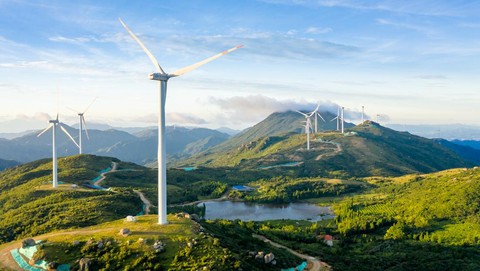
Every change in our society does not always get attention, it does not always make it to the headlines either. Debates on politics, economics, and the progress of the world; developed nations seem to keep to themselves, focusing on their future and the new energy technologies.
These technologies are the focal point of this article. We will cover the reasons they are hardly ever in the spotlight, and the effects they will trigger in the world and in the economy, as well as in the field of business.
Why Are Developed Countries Changing Energy Strategies?
For several decades, the basis of the global energy system was oil and coal. Currently, developed countries confront three primary challenges:
1. The high, and often unpredictable, costs of fossil fuels
2. Increased regulation on emissions and enforced net-zero targets
3. Geopolitical risks and disruptions in the energy supply chain
Consequently, the answer is no longer confined to simply renewables, but rather the next generation of energy alternatives: renewables that are safer, more efficient and economically sound.
1. Small Modular Reactors (SMRs): A Safer and More Flexible Nuclear Solution
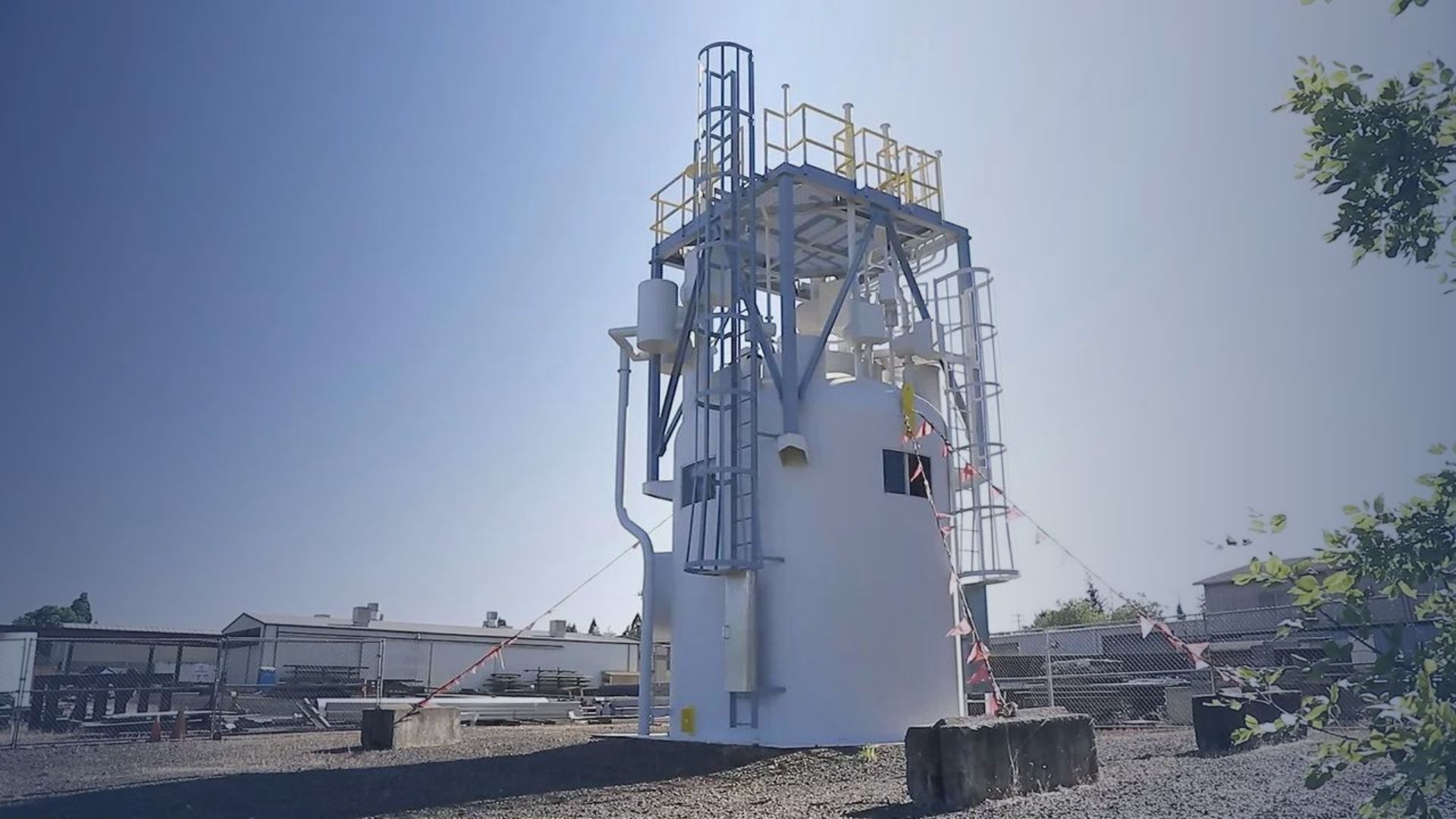
Unlike large conventional nuclear power plants, Small Modular Reactors (SMRs) are designed to be compact and modular.
Why are SMRs being adopted?
- Passive safety systems that significantly reduce risk
- Scalable construction based on actual demand
- Lower upfront investment compared to large nuclear plants
- Ability to provide stable baseload electricity
The United States, Canada, and the United Kingdom are positioning SMRs as long-term replacements for coal-fired power plants.

Small Modular Reactor
2. Green Hydrogen: A Critical Solution for Heavy Industry
There are industries that Can not be fully electrified, such as the steel and cement industries, and in the transportation of freight.
This is where green hydrogen gets its importance.
What is green hydrogen?
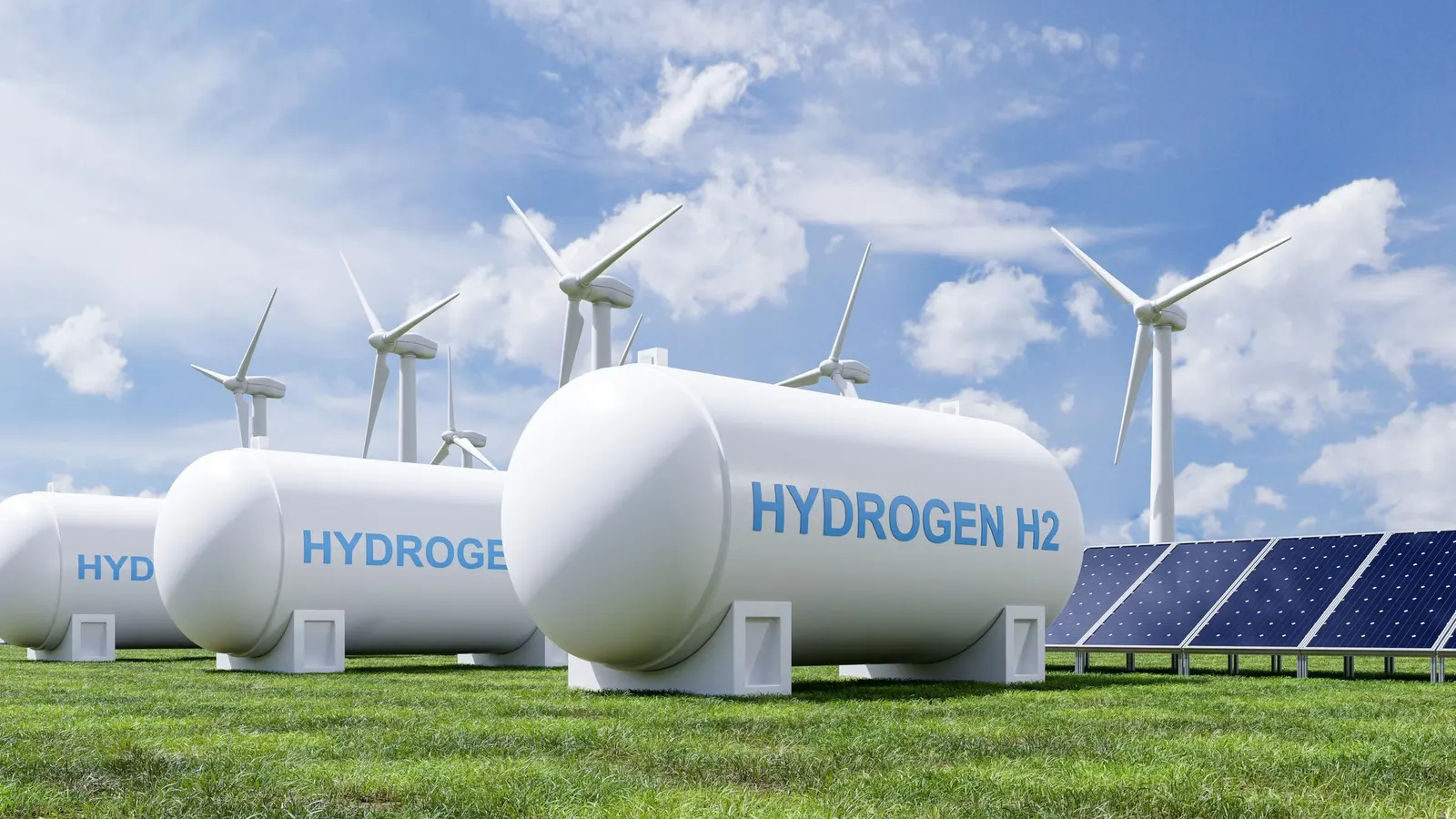
Green hydrogen is produced from water, and with no carbon emissions, utilizing renewable electricity.
Why are developed countries investing heavily?
- Allows them to decarbonize less green sectors.
- Helps them to achieve the net-zero emissions targets at the national level.
- Anticipated to yield significant long-term economic benefits.
Japan, Germany, and South Korea are among those that have already incorporated green hydrogen in the energy strategy of the state.
Green Hydrogen
3. Smart Grids: Smarter, More Resilient Power Systems
Energy challenges are not only about generation, but also about distribution.
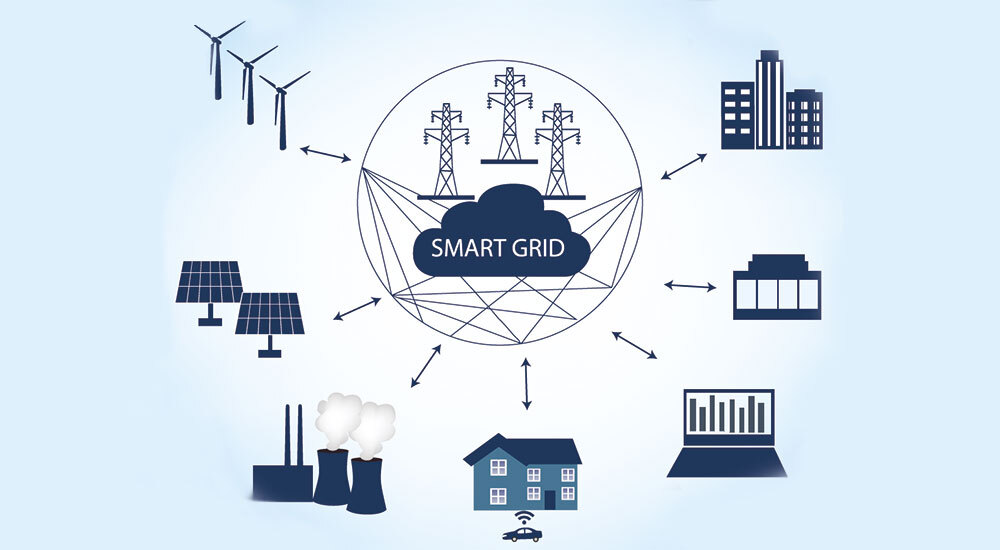
Smart grids use artificial intelligence, advanced sensors, and the Internet of Things (IoT) to:
- Balance electricity supply and demand in real time
- Reduce energy waste
- Improve grid stability and resilience
Nordic countries and South Korea have demonstrated that smart grids can:
- Lower national energy costs
-
Significantly improve overall efficiency
Smart Grids
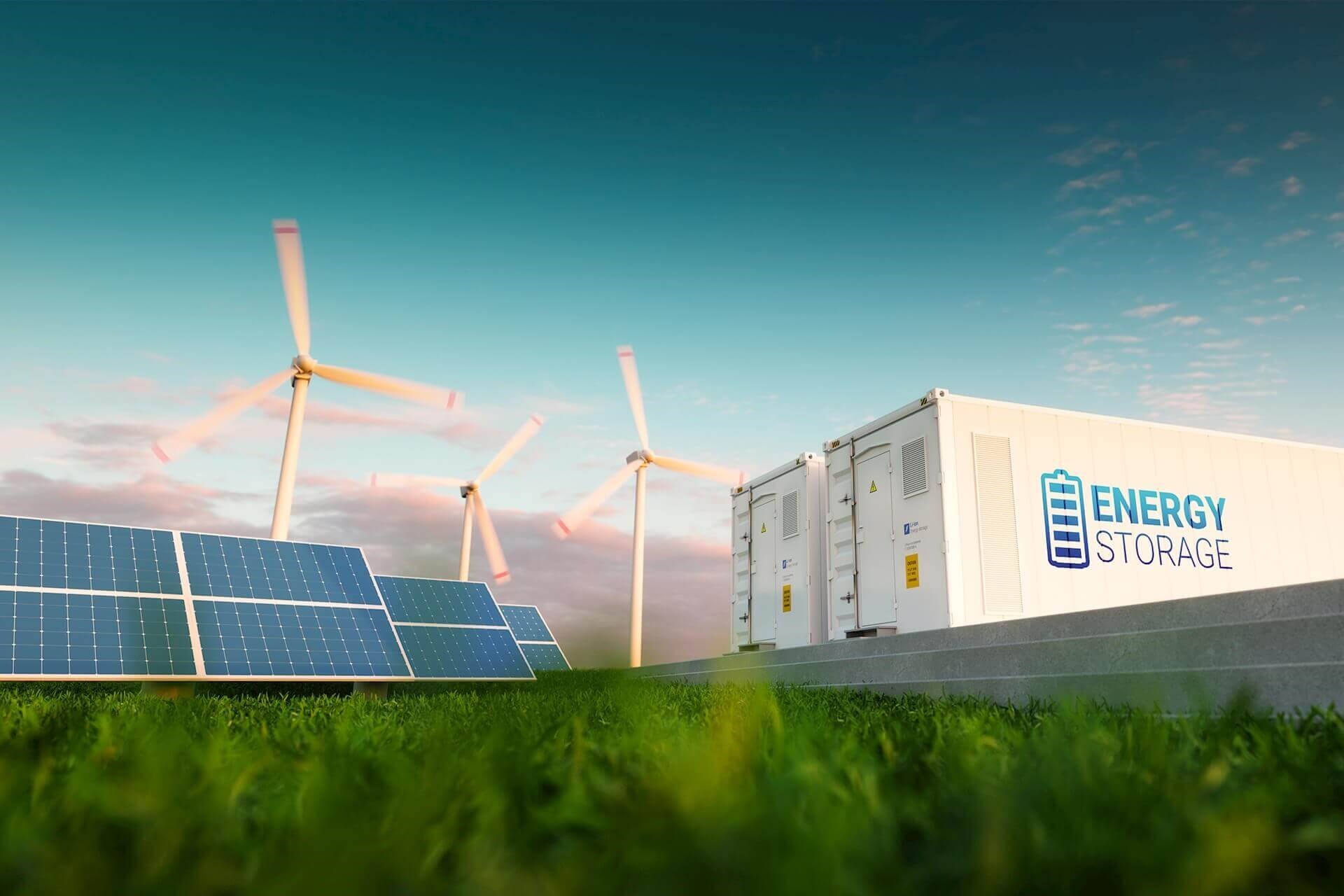
4. Next-Generation Energy Storage Technologies
Renewable energy is inherently intermittent. This makes energy storage a critical component of the energy transition.
Developed countries are moving beyond lithium-ion batteries toward more efficient and cost-effective solutions, including:
- Sodium-ion batteries
- Solid-state batteries
- Large-scale flow batteries
The goal is clear: stable, long-lasting, and affordable clean energy.
Energy Storage
5. Carbon Capture Technologies That Now Make Economic Sense
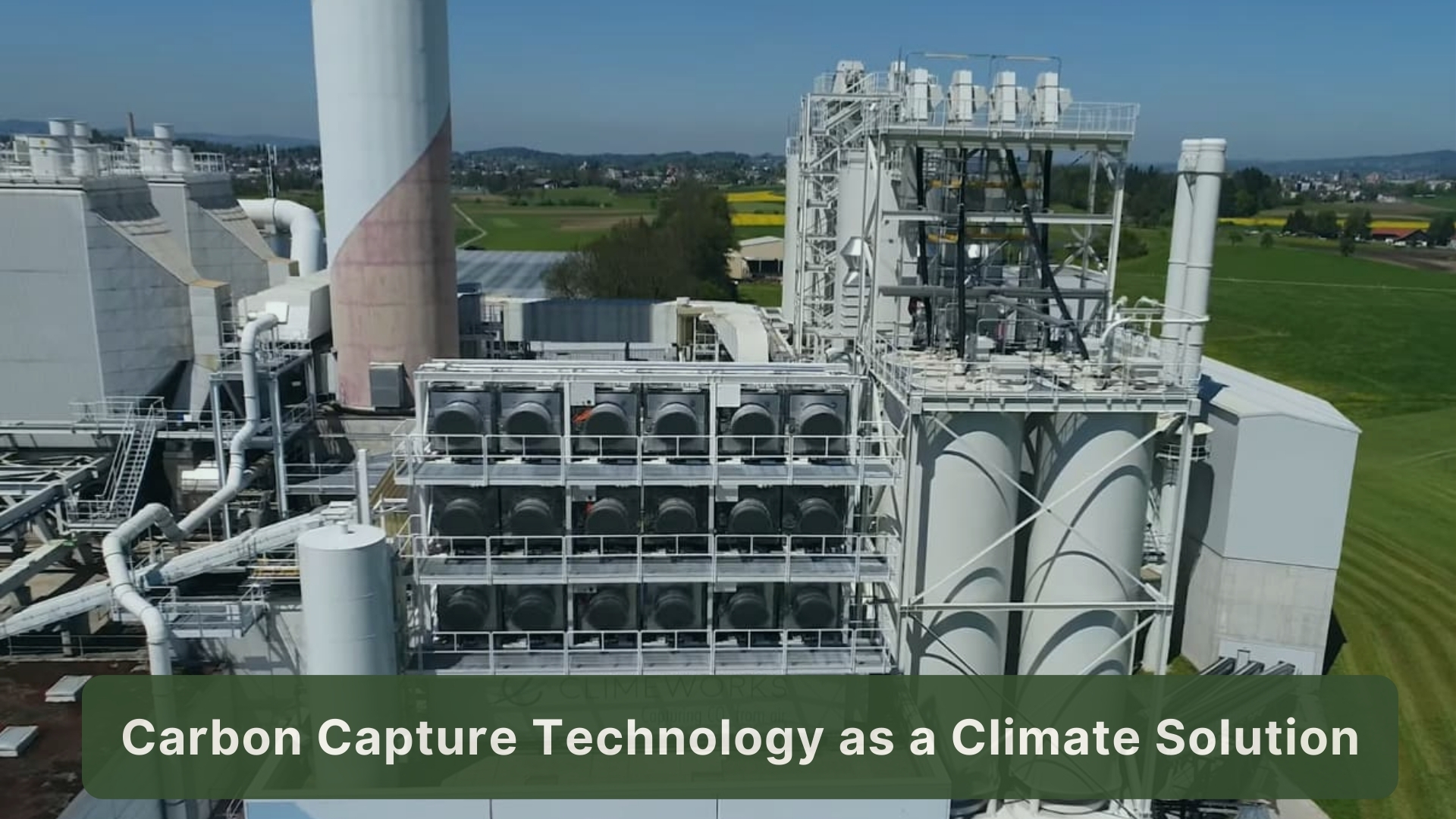
Once considered too expensive, Carbon Capture and Storage (CCS) technologies are now becoming commercially viable due to innovation and regulatory support.
Why does CCS still matter?
- Some industries cannot transition immediately to clean energy
- Enables emissions reduction without damaging economic stability
- Supported by incentives and updated policies
The United States and Norway are leading large-scale CCS implementation.
Carbon Capture Technologies
Conclusion
Developed countries are not waiting for the next energy crisis. Strategically, they are:
- Advancing new energy technologies
- Reducing global dependency risks
- Building the foundation of future economic growth
The energy transition is happening now — quietly, strategically, and inevitably.
To understand where the global economy is heading, start by paying close attention to the energy sector.